November 6, 2026 · 5 min read
Buying land in Hawaiian Paradise Park: the basics worth knowing
Donna Bowles
Realtor Broker, Better Homes and Garden Real Estate Island Lifestyle
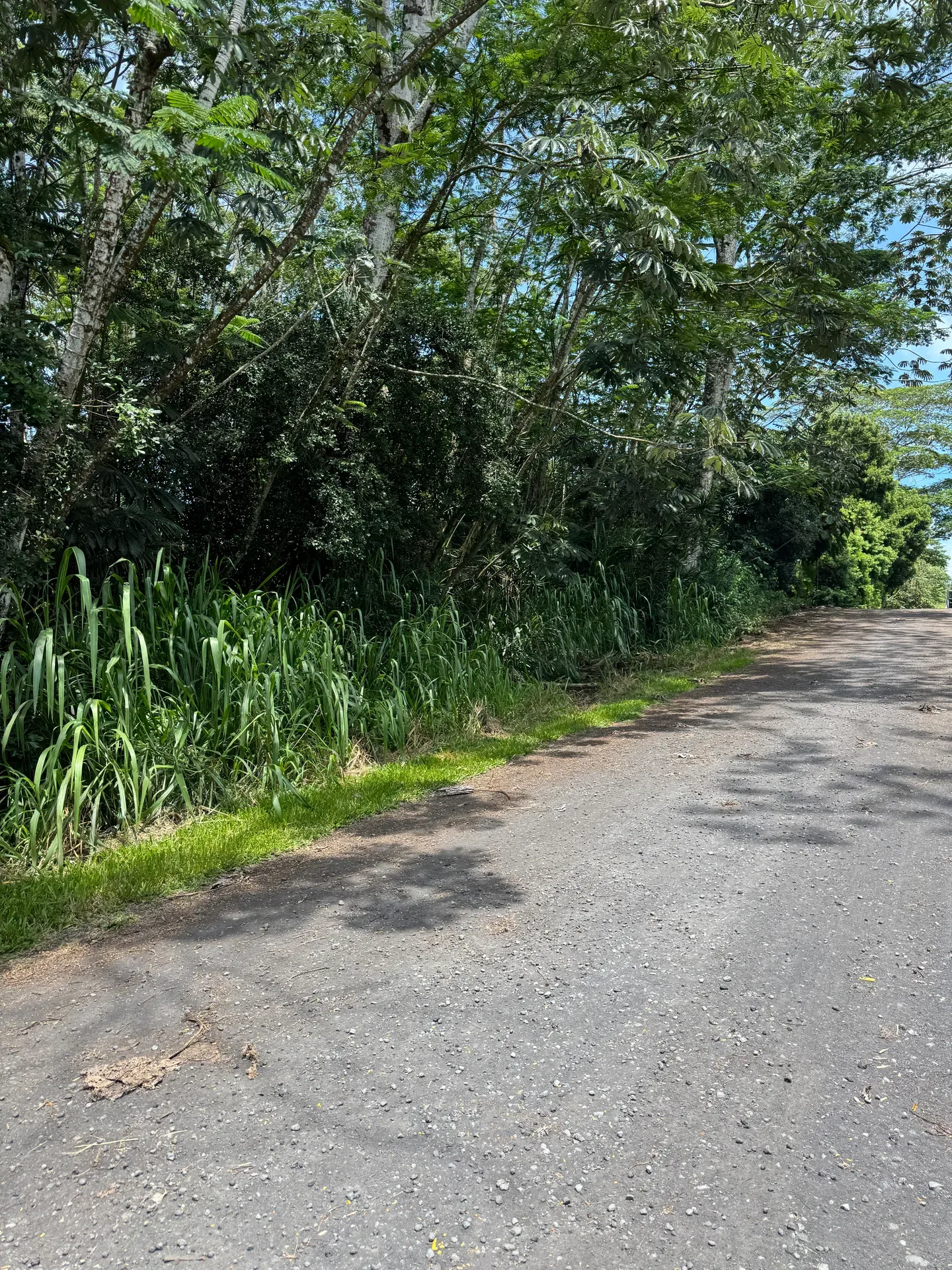
Hawaiian Paradise Park is one of the largest residential subdivisions in the United States, and it does not behave like a typical mainland neighborhood. Built as a grid of mostly acre-sized lots on the Big Island's Puna side, it is a place where paved avenues end in rainforest, where roosters outnumber streetlights, and where a raw lot like 15-1999 15th Avenue is not an oddity, it is the point. This short guide walks through what Hawaiian Paradise Park actually is, so you can bid with your eyes open.
What Hawaiian Paradise Park actually is
The park was carved out in the late 1950s, when the original lots sold for around $795, and it was sold out by 1967. Today it holds more than 8,800 building lots across a few square miles of forest between Keaau and the ocean, with many parcels still sitting exactly as the survey stakes left them. Most lots run about an acre, though some ocean-side parcels are smaller, and a reported figure of 10,000-plus residents gives a sense of the community without making the park feel crowded.
The two faces of the park
Highway 130 runs along the park's southwest edge, and the subdivision stretches about four miles toward the shore. That geography splits the park in two practical directions: the mauka, or upper, portion sits closer to Keaau, while the makai, or lower, side runs toward the coast. Schools follow the split. The upper zone feeds Keaau Elementary, Keaau Middle and Keaau High, while the lower zone feeds Keonepoko Elementary and Pahoa High & Intermediate.
What buyers tend to check first
- County water is not everywhere. Many lots rely on catchment, and utility availability varies from street to street, so confirm what is actually at the lot line.
- Main avenues are paved while many side roads stay graded, so check the condition of the road to your specific lot, including flood-prone stretches.
- No CCRs are reported for the park, which means county land-use rules do most of the talking. A local architect and a county pre-application meeting go a long way.
- Lava flow insurance and building on raw terrain are topics your lender and insurer will want to discuss early, especially for lots on the lower, ocean-side half.
Where this leaves Lot 381
15-1999 15th Avenue sits on a quiet gravel road at the end of a peaceful dead-end street among the park's mature trees, with no structures on the ground and no through traffic. That makes it a true blank canvas: the land can hold a home, a workshop, an orchard, or simply a few years of quiet while you decide. Donna Bowles represents this listing and knows the park lot by lot, so ask her anything that is not covered here.

Donna Bowles
Licensed Realtor Broker with Better Homes and Garden Real Estate Island Lifestyle, serving Kamuela, Kona and the east side of the Big Island with 19 years of local experience.